Sleek Futuristic Font Review
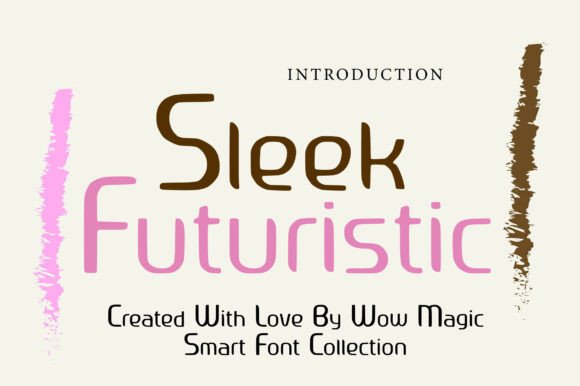
Opening a blank brand board, I often look for a font that can instantly set the tone. Sleek Futuristic was one of those finds—its clean geometric lines and narrow structure immediately suggested a modern, tech-forward aesthetic. As a designer who’s tested it across multiple branding projects, I’ve found it to be a standout choice for anything with a futuristic or sleek vibe.
Sleek Futuristic for Logo Design and Brand Identity
Sleek Futuristic works best as a display font, especially in logo design where boldness and clarity matter. I used it on a boutique identity project for a local tech startup, and it brought a refined, high-tech feel without being too aggressive. The minimal stroke contrast gives it a polished look, while the smooth construction ensures it remains legible even at smaller sizes. It’s ideal for brands aiming to project innovation and sophistication.
When paired with a simple icon or symbol, Sleek Futuristic can create a strong visual identity. Its narrow structure allows for efficient use of space, making it perfect for logos that need to fit into tight areas like app icons or product tags. However, it’s not the best choice for long text blocks or detailed typography—it’s more of a headline or accent font.
Sleek Futuristic for Packaging and Product Labels
Testing Sleek Futuristic on a skincare product packaging mockup revealed its potential for commercial use. The font’s geometric precision gave the label a clean, professional edge that aligned with the brand’s minimalist approach. It worked well on both the front panel and the back information section, though I’d recommend using a complementary sans serif for body text to ensure readability.
The narrow structure also makes it suitable for product labels that require concise messaging. It doesn’t overwhelm the design, which is key when working with small spaces. However, I noticed that in some cases, the thin strokes could appear slightly washed out on certain materials, so testing on different substrates is a good idea before finalizing any print work.
Sleek Futuristic for Web Design and Social Media Graphics
In web design, Sleek Futuristic shines as a header font. I used it on a creative studio’s homepage hero section, and it added a dynamic, forward-thinking energy to the site. The smooth curves and sharp angles made it visually engaging without being distracting. It pairs well with modern color palettes and minimalist layouts, reinforcing a tech-savvy brand image.
On social media, the font stands out in Instagram posts and Facebook banners. Its futuristic feel aligns with trends in digital marketing, making it a great choice for brands targeting younger, tech-oriented audiences. However, I’d advise against using it in captions or long-form content—stick to headlines and short phrases to maintain visual balance.
Sleek Futuristic for Business Cards and Print Assets
When placed on a business card, Sleek Futuristic adds a touch of elegance and modernity. I designed a card for a handmade shop, and the font’s streamlined look complemented the brand’s artisanal yet tech-forward identity. The minimal stroke contrast ensures it remains readable even at small sizes, which is crucial for printed materials.
For posters and flyers, the font works well as a headline but may require careful spacing to avoid looking cramped. It’s best used in conjunction with a more traditional typeface for body text, ensuring that the overall design remains balanced and easy to read.
Sleek Futuristic for Brand Consistency and Audience Engagement
One of the strengths of Sleek Futuristic is its ability to reinforce brand consistency. When used across multiple touchpoints—logo, website, social media, and packaging—it creates a cohesive visual language that resonates with the target audience. Its clean, geometric style appeals to those who value simplicity and innovation.
However, it’s important to consider the brand’s personality before choosing this font. Sleek Futuristic may not be the best fit for a rustic, heritage-focused brand. It’s more suited to industries like tech, fashion, or contemporary art, where a modern aesthetic is expected.