Rotte: A Vintage Display Typeface
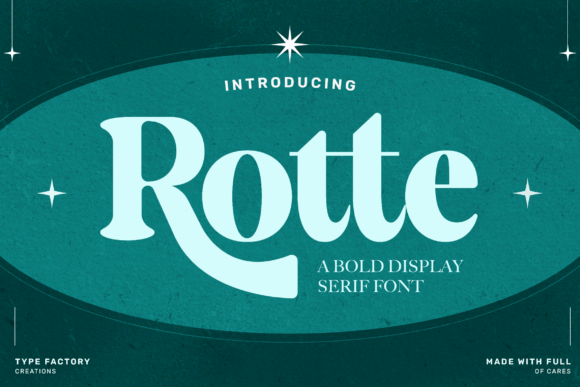
Choosing the right font for a blog header can feel like finding the perfect accessory for a statement piece. When I first tested Rotte, it was for a lifestyle blog redesign—something that needed both personality and clarity. Rotte is a vintage display serif typeface featuring bold letterforms and distinctive curved terminals that give the design a strong and expressive character. The font combines classic serif structure with a modern edge, making it ideal for editorial projects that want to stand out without sacrificing readability.
Rotte for Wedding Invitations and Elegant Branding
Rotte for wedding invitations and elegant branding feels like stepping into a bygone era of handcrafted details. The font’s bold letterforms and curved terminals add a sense of refinement and nostalgia, perfect for event branding or stationery that needs a touch of sophistication. Whether used for a wedding guide or a boutique brand logo, Rotte brings a timeless quality that feels both authentic and intentional. Its visual rhythm makes it easy to pair with other elements without overwhelming the design.
Rotte in Recipe Ebooks and Digital Magazines
When I designed a recipe ebook, I turned to Rotte for the title page and chapter openers. The font’s expressive nature adds energy to food photography and text layouts, creating a cohesive visual identity that feels curated. Rotte in digital magazines works well as a headline font, drawing attention while maintaining a level of elegance that complements the content. It’s not just about style—it’s about how the font supports the mood of the publication, from casual cooking guides to more refined culinary features.
Rotte for Newsletter Headers and Editorial Pull Quotes
Rotte for newsletter headers and editorial pull quotes offers a way to highlight key messages without disrupting the flow of reading. In a weekly newsletter, using Rotte for the subject line or section headers gives the layout a sense of authority and visual interest. As a pull quote in an editorial feature, the font’s boldness and curves create a natural focal point, guiding the reader through the content. It’s a versatile choice for designers who want to elevate their typography without overcomplicating the layout.
Rotte in Coaching Workbooks and Printable Planners
For a coaching workbook, Rotte added a layer of professionalism and warmth to the design. Its structured yet expressive form made it ideal for headings and section dividers, helping to break up dense content while keeping the reader engaged. In printable planners, the font’s clarity and rhythm make it easy to read on paper, even at smaller sizes. It’s a great example of how a display font can be adapted for practical use, offering both aesthetic appeal and functional value.
Rotte in Magazine Covers and Content Branding
Rotte in magazine covers and content branding creates a strong first impression. The font’s boldness and historical roots give it a premium feel, making it suitable for publications that want to convey authority and style. Whether used for a digital magazine header or a printed edition cover, Rotte helps establish a clear brand identity. It’s a font that doesn’t just look good—it feels like part of the story being told.
While Rotte excels in titles, headers, and decorative accents, it may not be the best choice for long paragraphs or small captions. Its expressive character is better suited for short bursts of text where visual impact matters. For body copy, pairing Rotte with a readable serif font or a clean sans serif can balance its boldness while maintaining legibility across different formats—whether on screen, in print, or in PDFs.
Before using Rotte in any project, it’s worth checking the included styles, alternates, ligatures, and multilingual support. Ensuring the font is properly licensed for commercial use is also essential, especially when working on ebooks, templates, or client projects. With its unique blend of vintage charm and modern structure, Rotte is a powerful tool for designers looking to add character and clarity to their editorial work.