Noise Stroke: A Bold Display Font for Web Headers
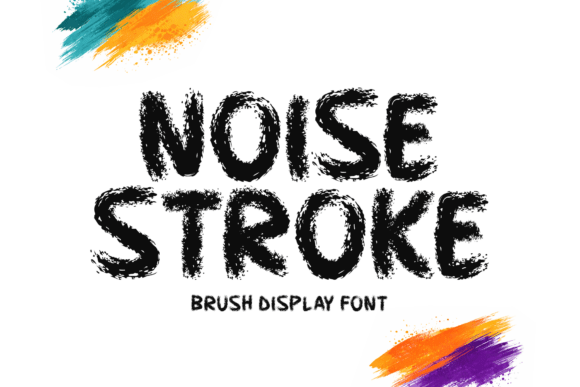
When selecting Display Fonts for a high-impact website, Noise Stroke immediately stands out as a tool capable of transforming flat digital interfaces into textured, emotional experiences. This bold brush typeface brings a raw, hand-painted aesthetic to the screen, offering a level of organic character that standard geometric sans serifs simply cannot match. For web designers and UI creators, integrating Noise Stroke into a project is not just about choosing a pretty letterform; it is about establishing a distinct visual hierarchy that guides user attention and reinforces brand personality from the very first scroll.
Elevating Hero Sections with Raw Textured Typography
In the competitive landscape of landing page design, the hero section serves as the critical handshake between a brand and its audience, and Noise Stroke excels in this high-stakes environment. Because Noise Stroke is a bold brush display font with raw texture, it cuts through the noise of clean, corporate web layouts, demanding immediate attention without feeling sterile. When applied to main headlines on SaaS homepages or creative portfolio introductions, the expressive strokes create a sense of urgency and human connection. The rough edges of the typeface suggest authenticity, signaling to the visitor that the brand behind the screen values creativity and boldness over rigid conformity. Designers can leverage this by pairing the heavy weight of Noise Stroke with ample whitespace, ensuring that the textured details remain legible even on large 4K monitors or compressed mobile viewports.
Driving Conversions in Call-to-Action Buttons and Banners
Beyond static headers, Display Fonts like Noise Stroke play a pivotal role in optimizing conversion-focused elements such as call-to-action buttons and promotional banners. The powerful impact inherent in Noise Stroke makes it an ideal candidate for short, punchy phrases like "Join Now," "Sale Ends," or "Get Started." Unlike thinner script fonts that might struggle with readability at smaller sizes, the thick, expressive strokes of Noise Stroke maintain their integrity even when scaled down for mobile navigation or sidebar ads. For online store owners, using this font on limited-time offer banners creates a sense of immediacy and exclusivity. The hand-painted style implies a personal touch, which can increase trust and engagement in niche markets like artisanal goods, coaching services, or boutique fashion. However, usability remains paramount; when implementing Noise Stroke in interactive elements, ensure sufficient contrast against the background to meet accessibility standards while preserving its gritty charm.
Establishing Brand Tone Through Expressive Digital Identity
A consistent online identity relies heavily on typography choices that reflect the core values of a business, and Noise Stroke offers a unique voice for brands seeking to appear dynamic and unpolished in a curated way. As a display font, it injects strong character into branding assets, from digital ad creatives to social media story highlights. The rough texture suggests a narrative of craftsmanship and effort, making it particularly effective for creative agencies, music festivals, or streetwear labels that want to distance themselves from the polished, generic look of default system fonts. When building a brand kit, incorporating Noise Stroke allows designers to create a recognizable visual signature. Whether used in a logo lockup for a podcast or as an accent in an email newsletter header, the font's distinctive personality ensures that the brand is instantly recognizable across different digital touchpoints.
Strategic Font Pairing for Readability and Visual Rhythm
While Noise Stroke dominates as a headline tool, successful web design requires balancing its expressive nature with highly legible body copy to maintain a comfortable reading rhythm. Since Noise Stroke is a bold brush display font, it should rarely be used for long paragraphs; instead, pair it with a clean, neutral sans serif font like Inter, Roboto, or Open Sans for the main content areas. This contrast creates a professional hierarchy where the Display Fonts capture attention and the body text delivers information efficiently. For more editorial-style websites or blogs, pairing Noise Stroke with a modern serif font can create a sophisticated yet edgy atmosphere, suitable for lifestyle magazines or opinion pieces. The key is to let the raw texture of Noise Stroke breathe by surrounding it with structured, grid-based layouts. This juxtaposition highlights the font's artistic qualities while ensuring the overall user experience remains smooth and navigable.
Optimizing Texture and Legibility Across Devices
Implementing textured typography like Noise Stroke requires careful consideration of how raw details render across various screens and resolutions. As a display font with intricate, hand-painted strokes, Noise Stroke can sometimes lose definition on low-resolution displays or when viewed against busy background images. To maximize its effectiveness, web designers should utilize solid color backgrounds or subtle gradients behind text blocks containing Noise Stroke. When placing the font over photography, adding a semi-transparent overlay or a text shadow can help separate the rough edges from the underlying image, preserving legibility. Furthermore, when designing for mobile-first experiences, test the font at various breakpoints to ensure the expressive strokes do not blur together or become pixelated. Proper file format selection, such as using WOFF2 for web delivery, ensures that the crisp details of Noise Stroke load quickly and render sharply on both retina displays and standard smartphone screens.
Licensing and Technical Implementation for Professional Projects
Before integrating Noise Stroke into client projects or commercial products, it is essential to verify the licensing terms to ensure compliance with web usage rights. High-quality Display Fonts often come with specific agreements regarding page views, domain usage, and embedding in software or apps. For digital product creators building templates or themes, securing the appropriate commercial license for Noise Stroke protects both the designer and the end-user from legal complications. Technically, implementing the font via CSS @font-face or a reliable CDN ensures optimal performance. Designers should also check for available weights and alternates within the Noise Stroke family; having access to different variations allows for greater flexibility in creating dynamic typographic compositions without relying on artificial bolding or skewing, which can degrade the quality of the raw texture. By treating Noise Stroke as a premium asset within the development workflow, teams can maintain a high standard of quality and professionalism in their final digital deliverables.